A proposal
Fractional CFO Companies, after the proposal arrives
The useful pages are the ones that name who stays, which day closes, and where the return comes from.
What to look for once the price is on the table
Three lines that have to be there
A proposal can be handsome and still be empty. Look for three lines. Who stays on the file after the sale. Which day of the month the close is done. Whether the return is prepared from those closed months or handed to someone who has never seen them.
When the three lines are present, companies can be compared on the work. When they are missing, the price is a number tied to a mood. Judge us on those three lines. A scope from this practice, once you ask, spells out how far behind the file is, which accounts are open, and whether sales tax or a payroll setup sits in the first pass.
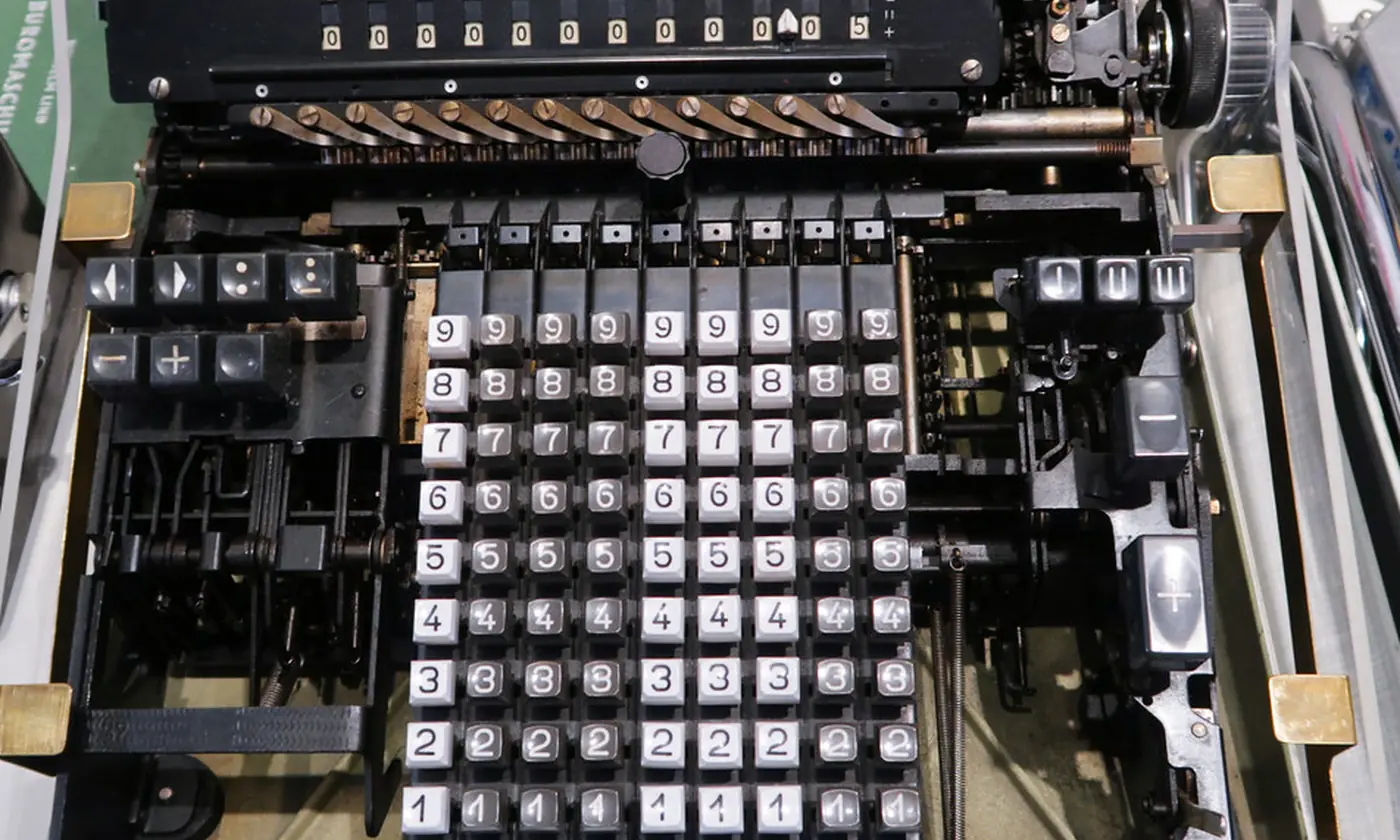
A showroom can hide the work behind a picture of the work. The pleasure is seeing the thing itself instead of a picture of it. We like that pleasure. A proposal should work the same way. Show the month. Do not describe the month. A proposal that names the weekday is one you can compare, and a proposal that only names a price is still a mood.
What happens after you send yours
A note you send is read by a person before any phone rings, so the story stays told once. The reply names a fit, a wait, or a signature this practice does not hold. Hearing that we are the wrong fit is a full reply.
If the fit is real, we propose a scope in writing before any work starts. Nothing begins on a phone call alone. The engagement letter names the scope and the fee. Extra work the letter never named is priced by itself, and nobody begins it until that price is accepted. You can say no, and the books stay yours.
You will be talking to the Steven Palmieri practice. Call the number in the footer on the day a voice is easier than a calendar. Open a slot when a time on the calendar is the better path.
What we will not put in the proposal
We will not rank ourselves against a list. We will not promise a result from a file we have not seen. We will not fold a pay run into the price and then quietly become the company that pushes the button. We will not call catch-up a mood. It is a stack of months with an end date, or it is not in the proposal.
We also will not invent a benchmark for how many weeks of cash a healthy shop holds. You choose the rows on a thirteen week view. We keep the arithmetic honest. The decision about what to change is yours.
If the proposal you received is the other kind
Take the price off the page for a minute and read what is left. If what is left is a title and a promise, you already know the answer. Ask the three questions on the questions page of whoever sent it. Who closes. Who runs payday. Who prepares the return. A company that can answer those in plain words is worth a second conversation, whether or not that company is us.
If you want us to be the second conversation, say what the other proposal left blank. That blank is the best start we can be given.
Tell us what the proposal left blank
 You will be talking to the Steven Palmieri practice.